By Marcus Holloway — Independent Veterans Benefits Writer | Reviewed & updated August 1, 2026
Independent and non-government. This site is independent and is NOT affiliated with, endorsed by, or sponsored by the U.S. Department of Veterans Affairs (VA) or any government agency. For official information, visit VA.gov.
A Sealed Boat, Not an Open Deck
Submarine service asbestos exposure is one of the more concentrated forms of shipboard asbestos risk the Navy ever produced, and the reason comes down to simple physics: a submarine is a sealed steel tube with nowhere for airborne fibers to go. Surface ships had open decks, weather doors, and constant air exchange. A submarine underway does not. Every pipe, every valve, every generator, and every square foot of hull insulation shared the same recirculated air with the men who lived, ate, and slept a few feet away from it.
For veterans who served aboard diesel boats or the early nuclear fleet, asbestos was not an occasional hazard encountered during a shipyard overhaul. It was woven into daily life on the boat — in the lagging wrapped around steam and hydraulic lines, in the pipe insulation running through the engine spaces, in gaskets, valve packing, and even some of the deck and bulkhead materials. In this guide, we will walk through what submarine duty actually involved, why the confined-space design intensified exposure risk more than most other Navy assignments, how veterans identify and document their submarine service today, and how that service history fits into the general presumptive framework the VA uses when evaluating asbestos-related claims.
Part 1: What Submarine Duty Actually Involved
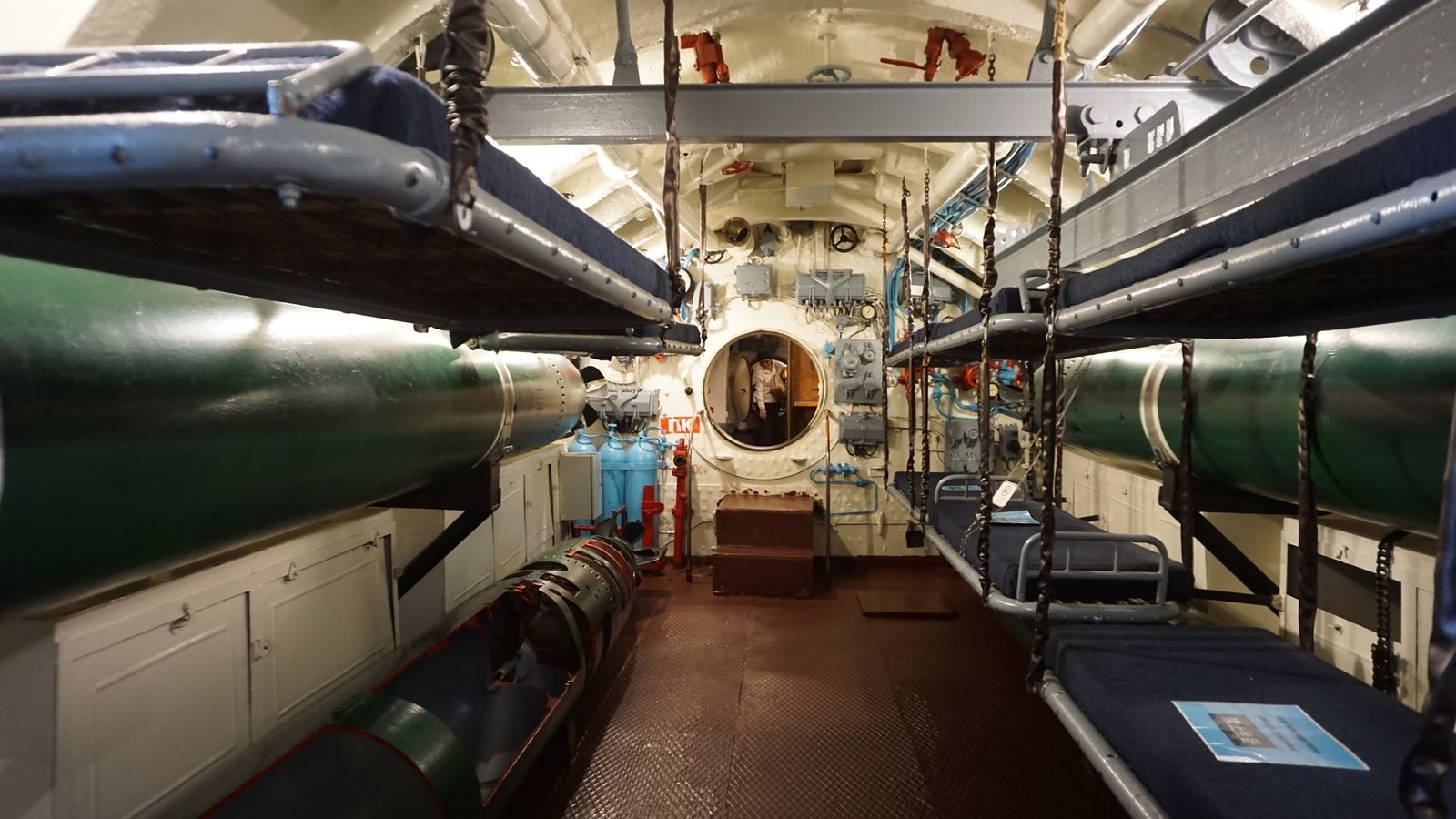
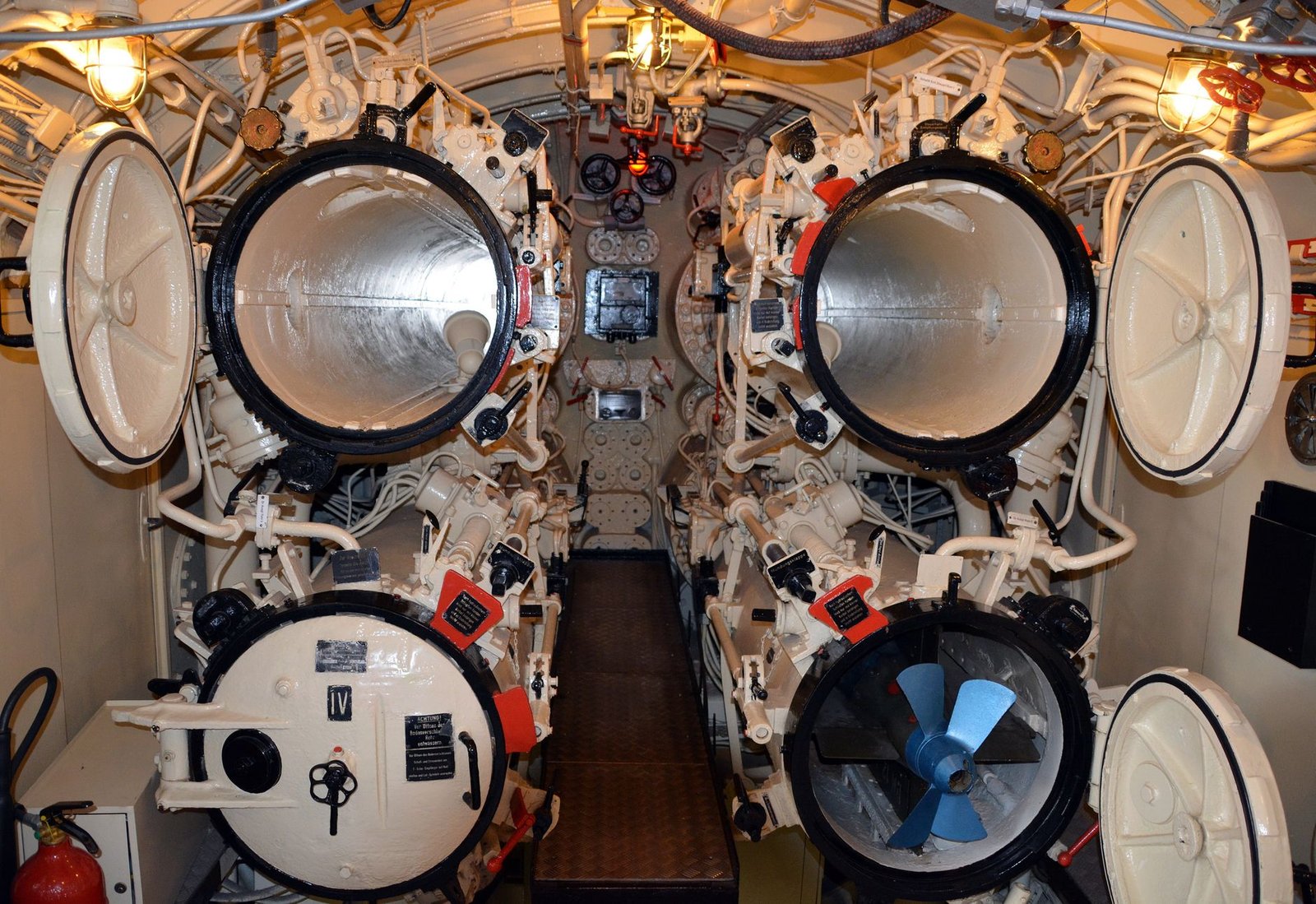
Submarine crews were small, tightly organized teams — often fewer than 100 sailors sharing a hull that might be only a few hundred feet long. Every compartment had a job: forward and aft torpedo rooms, the control room, the engine room, the maneuvering room, sonar and radio spaces, berthing, and the galley, all stacked within a pressure hull designed to keep the sea out, not to keep contaminants from moving between compartments. Watertight doors separated sections, but the ventilation system that kept the boat breathable also circulated whatever was in the air throughout much of the vessel.
A typical patrol could last weeks or months submerged, with the crew rotating through watches around the clock. Sailors ate meals a few feet from machinery spaces, slept in “hot bunking” arrangements near engineering compartments, and worked maintenance and repair tasks in spaces barely large enough to kneel in. That proximity — living inside the machinery rather than alongside it — is the defining feature of submarine duty, and it is exactly what made submarine service asbestos exposure so different from exposure aboard a destroyer or carrier with open passageways and outside air.
Part 2: Why the Confined-Space Design Intensified the Risk
Asbestos was prized by mid-20th-century shipbuilders because it insulated against heat and fire in a way few other materials could, and the Navy used it extensively from the 1930s through the 1970s. On a submarine, that meant asbestos-containing lagging wrapped around steam lines, asbestos cloth and blankets covering hot machinery, asbestos gaskets sealing valves and flanges, and asbestos insulation packed around electrical cable runs to prevent fire spread in tight spaces. A few features made submarines particularly hazardous:
- Recirculated, not exchanged, air. Submerged operation meant the boat’s own systems scrubbed and recirculated the internal atmosphere rather than drawing in fresh outside air, so any fibers released during maintenance stayed airborne and moved through the ship.
- Dense pipe lagging in tight passageways. Steam, hydraulic, and hot-water lines ran through narrow corridors wrapped in asbestos lagging that crew members brushed against routinely while moving through the boat.
- Engine room and maneuvering space insulation. Diesel engines and, later, nuclear propulsion machinery generated intense heat that required heavy asbestos insulation on nearby surfaces, in compartments where engineering personnel worked entire watches.
- Sonar and electronics compartments. Cable runs feeding sonar, radar, and communications equipment were often insulated with asbestos-containing materials to manage heat and prevent electrical fire, placing technicians in close, repeated contact with those materials during routine maintenance.
- Overhaul and refit periods. When boats went into shipyards for maintenance, insulation was frequently cut, removed, and replaced in confined compartments, releasing fibers into spaces with limited ventilation long before modern containment practices existed.
The Centers for Disease Control and Prevention’s National Institute for Occupational Safety and Health has documented how enclosed, poorly ventilated work environments raise the risk of inhaling asbestos fibers compared with open-air settings; you can read that general occupational exposure guidance at cdc.gov/niosh. A submarine, by design, was one of the most enclosed workplaces the Navy operated.
Part 3: Which Ratings and Compartments Carried the Heaviest Exposure
Nearly every sailor aboard a submarine shared some degree of exposure simply by living in the boat’s recirculated atmosphere, but certain jobs put crew members in more direct, repeated contact with asbestos-containing materials:
- Engineering and machinist ratings who maintained engines, pumps, and piping systems insulated with asbestos lagging.
- Electricians and electronics technicians who worked around asbestos-insulated cable runs and switchboards in confined compartments — our companion guide on electrical rating exposure aboard Navy vessels covers this occupation in more depth.
- Damage control and hull maintenance personnel who handled insulation, gaskets, and fireproofing materials directly, a role explored further in our piece on shipboard damage control exposure.
- Sonar and fire control technicians stationed in electronics spaces near insulated cabling and equipment housings.
- General crew who bunked, ate, and stood watches throughout the boat and breathed the same recirculated air as those performing hands-on maintenance.
No single rating had a monopoly on risk. What set submarine service apart was that even sailors without a hands-on maintenance role still spent their entire deployment inside a sealed environment where fibers, once disturbed, had nowhere to disperse.

Part 4: Documenting Your Submarine Service History
Because so much time has often passed since a veteran’s service, and because mesothelioma and related conditions can take decades to appear, documentation becomes one of the most valuable things a veteran or family member can gather. Useful records generally include:
- Boat name and hull number. Identifying the specific submarine — for example, a diesel-electric boat’s name or a nuclear submarine’s hull designation — helps establish the class of vessel and its likely construction era, which correlates with asbestos use.
- Service dates. The specific years aboard matter, since asbestos use in Navy shipbuilding was heaviest from the 1930s through the 1970s and phased down afterward.
- Rating and duty assignment. Your rate or job aboard the boat (engineering, electronics, damage control, etc.) helps describe the nature and frequency of contact with insulated materials.
- DD-214 and service record excerpts. These official discharge documents typically confirm dates, rating, and the command or vessel to which a sailor was assigned.
- Personal recollection and buddy statements. Written accounts from the veteran or from fellow crew members describing shipboard conditions can add useful context to the official record.
Veterans who are unsure how to locate old service records can start with the National Archives or the VA’s own guidance on gathering military records, and a Veterans Service Officer can often help track down specific ship or boat histories.
Part 5: How This Service History Supports a VA Claim Today
The VA generally evaluates asbestos-related claims under a broader presumptive framework for certain conditions tied to military asbestos exposure, described in general terms on the VA’s own special claims page at va.gov/disability/eligibility/special-claims. Establishing a link between military service and a current diagnosis generally involves showing that the veteran served in an occupation or environment where asbestos exposure was plausible, along with a current diagnosis and, where required, supporting medical opinion. Submarine service — with its documented, concentrated use of asbestos insulation in a sealed environment — is often relevant evidence in that picture.
This is general educational information, not legal advice, and every claim depends on its own facts and evidence. Veterans exploring a claim may want to understand how the VA processes complete claim submissions; our guide on the fully developed claim pathway explains one option for submitting evidence up front. A VA-accredited attorney, claims agent, or Veterans Service Officer can review the specific facts of a submarine veteran’s case and advise on the best evidence to gather.
Part 6: What a Mesothelioma or Related Diagnosis Means for Documentation
Mesothelioma and other asbestos-related conditions can take twenty, thirty, or more years to develop after exposure, which is part of why service history from decades ago still matters today. The National Cancer Institute maintains a plain-language overview of mesothelioma and its known link to asbestos exposure at cancer.gov, which can be a helpful starting point for veterans and families trying to understand a new diagnosis. Because the disease is rare and often specific to occupational or military exposure history, the details of a veteran’s submarine assignment — boat, rating, dates, and duty compartment — can become meaningful supporting evidence when paired with medical records and a current diagnosis.
Frequently Asked Questions
Did every submarine sailor face the same level of exposure?
Not exactly. Engineering, electrical, and damage control personnel who worked directly with insulated pipes, cables, and machinery generally had more hands-on contact, but the sealed, recirculated atmosphere aboard a submarine meant that most of the crew shared some degree of exposure simply by living aboard.
Does it matter which decade I served?
Yes. Asbestos use in Navy shipbuilding and ship maintenance was most extensive from roughly the 1930s through the 1970s, with use declining afterward as safety practices changed. Service dates help establish the likelihood of exposure aboard a particular boat.
What if I no longer have my original service records?
Veterans and their families can request archived military personnel records through the National Archives, and a Veterans Service Officer can often help identify a submarine’s history and class even when personal paperwork has been lost over the years.
Do I need a mesothelioma diagnosis to explore this topic, or can other conditions apply?
The VA’s asbestos-related framework can potentially cover several conditions beyond mesothelioma, depending on diagnosis and evidence. A licensed physician and a VA-accredited representative are best positioned to advise on how a specific diagnosis fits current VA guidance.
Can family members help gather this evidence?
Often, yes. Spouses and adult children frequently assist with locating DD-214 paperwork, requesting archived records, and organizing medical documentation, especially when a veteran is managing a new diagnosis and its treatment at the same time.
Where can I find official information about the boat I served on?
The Naval History and Heritage Command and the National Archives maintain historical records on individual submarines, including construction dates and deployment history, which can help corroborate a veteran’s personal account of shipboard conditions.
Resources
- VA — Asbestos Exposure Special Claims — official general guidance on how the VA evaluates asbestos-related claims.
- CDC/NIOSH — Asbestos — federal occupational health information on asbestos exposure risks.
- National Cancer Institute — Mesothelioma — plain-language overview of mesothelioma and its link to asbestos.
- VA — The PACT Act — official overview of recent expansions to VA benefits eligibility.
- To find a Veterans Service Officer for claims questions, contact your local VFW, DAV, or American Legion chapter, or your county veterans service office.
Final Thoughts: Small Boat, Long Shadow
Submarine duty asked a great deal of the men who volunteered for it — long submerged patrols, cramped quarters, and total trust in a sealed hull and the systems that kept it running. Few of them knew at the time that the same insulation protecting the boat from fire and heat carried a risk that would not show itself for decades. Understanding submarine service asbestos exposure today is not about dwelling on the past; it is about giving veterans and their families the accurate service history they need to have an informed conversation with a doctor or a Veterans Service Officer about what comes next. That history — the boat, the rating, the years served — is worth writing down and keeping close.
Medical disclaimer: This article is for informational purposes only and is not medical advice, diagnosis, or treatment. Consult a licensed physician or your VA care team about your specific situation.
Legal disclaimer: This article is for general information only and is not legal advice. It does not create an attorney-client relationship. Consult a VA-accredited attorney, claims agent, or a Veterans Service Officer (VSO) about your specific claim.